June 22, 2026
Helping Northern Alberta Communities Unlock Housing Opportunities
By Rural Development Network
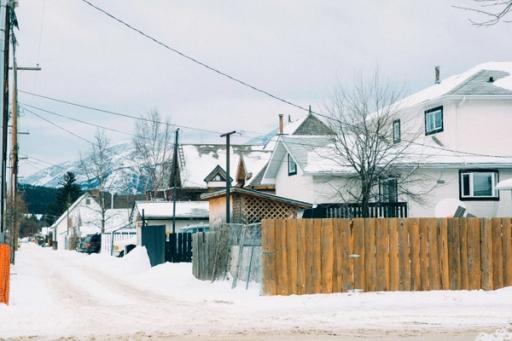
Many rural communities in Alberta are experiencing a critical shortage of housing which greatly affects their ability to thrive, grow and prosper. Without sufficient and diverse housing stock, rural communities struggle to retain their youth, attract and retain businesses and workers, allow seniors to age in place, and prevent homelessness.
New housing development in rural areas is uniquely challenged, not only by remoteness and geography, but also by limitations that arise from municipal and provincial community development regulations: outdated policies, bylaws and legislation; inadequate or lengthy processes. Add to this the lack of capacity by municipal staff and local organizations to address these challenges, and many rural communities end up facing significant barriers to adequately address local housing needs.
The Enabling Housing Choice (EHC) North project developed as an extension of the original EHC project. Both projects sought to tackle housing challenges in rural Alberta by examining the local policies, bylaws, and procedural frameworks that hindered realtors, developers, and local governments from enabling housing development. The goal of both has been to provide locally-relevant solutions that will enable the municipality to broaden housing options, improve affordability, and stimulate new residential construction.
The difference between the 2 research projects lay in the desire to understand whether northern Alberta communities faced different housing development challenges than their more southern counterparts. To explore these 2 different areas of the province, the EHC North research partnered with 4 more northerly communities: Lac Cardinal Country, Town of Fairview, Town of Peace River, and Big Lakes County. We engaged with key housing stakeholders to better understand each community’s unique local housing landscape; we
highlighted successes, identified critical gaps, and pinpointed opportunities for further discussion. Similar to the original EHC project, these insights provided partner communities with locally-relevant solutions to support housing diversity and expand residential choice.
Throughout both initiatives, our partner communities echoed a consistent refrain: there is a critical need for more housing overall, and especially rental options and/or smaller dwellings that cater to singles, newcomers, and the local aging population. Interestingly, the EHC North research brought out different perspectives regarding senior-specific facilities. While some stakeholders felt there was a strong need for additional local seniors' housing, others felt that these needs were either already being adequately addressed or would be better served in larger centers. This contrasted sharply with our findings in the southern Alberta communities, where most people felt seniors housing was an important concern that needed to be addressed locally.
Beyond geography, a defining distinction surfaced in our northern community research: the logistical burden of transporting essential supplies to the community. While southern participants noted transportation as an issue, northern stakeholders spoke of it frequently and continuously: the sheer cost of moving materials into these communities has made construction and repair costs uneconomical.
Ultimately, the success of both EHC and EHC North lies in uncovering the immutable reality that rural communities face unique housing challenges. While issues like housing affordability and accessibility are the same as those in urban centers, they are profoundly intensified by rural isolation and geographic constraints. Similar to their urban counterparts, rural communities desperately need more housing—specifically rental and affordable options—yet they must contend with a unique set of barriers that simply do not exist in urban areas:
- Construction materials must be trucked (or flown) into the community, making new construction cost-prohibitive; the price tag for a new home is $600,000+ in a rural community;
- While this cost may seem reasonable in an urban area, a $600,000 home is fundamentally out of reach for most rural residents whose incomes, often tied to minimum wage, don’t match many urban salary levels;
- Trades people in rural areas are either retiring or moving away, both of which are due to high operating costs; the new generation of trades to replace them are staying in urban areas, where housing is available and wages are higher;
- Similarly, rural builders are retiring and not being replaced, leaving a significant void in local construction capacity;
- The complexities and volatility of the Alberta Home Warranty Program have forced most rural home builders away from new home construction and towards the safer ground of home renovations;
- Developers (large home-building companies) would rather stay in urban areas, where they can enjoy reliable profit margins; the rural housing construction market is considered too risky;
- There is a general preference for single-family detached homes in rural communities, with 75 to 90% of current housing in this form; many residents view multi-family dwellings (duplex / townhouses) with misgivings, as places that will attract undesirable residents;
- Federal support through the Housing Accelerator Fund (HAF) has provided much more funding for urban areas (94%) than for rural communities (6%)*. This is understandable, as the optics of a large-scale urban housing development shows better than the impact of a few units in a small town. (*Source: Parliamentary Budget Officer report, July 2025)
The findings from this research will be of significant benefit to the real estate industry, rural communities, the building industry, and hopefully, to the provincial government. In our recommendations reports for our partner communities, we provided locally-relevant options and solutions to help address community housing challenges, with the goal of increasing housing in general, as well as providing more housing options for both newcomers and local residents alike. Moving forward, our partner communities will be ready and able to focus on refining municipal frameworks and regulatory bylaws in ways that will encourage new residential construction to meet local housing requirements in ways that have not been previously accomplished.
The success of this initiative came from the commitment of staff from our partner communities, who remained fully engaged throughout the process. Although many started out unsure about how we could help with their particular housing challenges, those who had fully embraced the research began to understand how our suggestions could result in positive changes to the local housing landscape. While none of the research findings were particularly surprising, through the discussions about possible solutions to meet local housing needs, we saw a shift in their perspectives about housing. Historically, rural housing has been defined almost exclusively as single family detached homes; through our collaborative discussions, staff developed an understanding about the benefits of diverse housing options like duplexes and townhomes. Also, as we highlighted limitations to housing diversity under the local land use regulations, we could see that regulations and policy in some of the partner communities were going to change. It was very rewarding to see how localized conversations could be transformed into toolkits and locally relevant resources that will empower these communities to broaden their residential choices.
Our biggest success was with one of the small towns within one of the partner communities. They have extended an invitation to meet with their Council to discuss the recommendations of the final report and to facilitate practical 'next steps'. This represents an exciting opportunity for the EHC team to assist a municipality in realizing some of the solutions in a real-world context. This type of engagement is important for this research, as local leadership is often hesitant to follow up on recommendations that will result in major changes to how they do business in the community. Working with a Council that is interested in moving forward with these recommendations and using our expertise is an excellent outcome for this project.
Looking ahead, we would like to see this research be expanded to include rural communities across Canada, to compare how the realities of rural Alberta housing differ across the country. We would like to explore whether the distinctive barriers and opportunities identified in Alberta align with the experiences of rural areas across the Prairies, or if a different set of issues, challenges and opportunities defines residential choice in the Atlantic provinces, central Canada, and British Columbia.
Topic
Contributor

Rural Development Network
We support rural sustainability by filling gaps in service and avoiding unnecessary duplication of services. To accurately identify social issues and find effective solutions for them, we listen to hear and understand each community’s needs and develop solutions in partnership with them. Each solution is tailored to reflect the uniqueness of the residents for whom it was created.
Similar News