Energy Efficiency
Energy efficiency refers to the practice of utilizing energy resources in a way that minimizes waste and maximizes output, ultimately reducing energy consumption and environmental impact.
Energy Efficiency
Energy efficiency refers to the practice of utilizing energy resources in a way that minimizes waste and maximizes output, ultimately reducing energy consumption and environmental impact.
Energy efficiency is among the most cost-effective ways to reduce a homeowner’s ongoing monthly utility costs, and the most influential time to affect the efficiency of a home is during its initial design and construction. Decisions made during home design and construction impact not only the initial homebuyer, but all future owners. This project will leverage the launch of the Clean Energy Improvement Program in the province to demonstrate how it can be used to significantly increase the energy efficiency of new homes constructed. The successful demonstration could present an opportunity for all new buildings in the province (both multi-unit residential and commercial) to be built to a higher efficiency level for the same sticker price as a standard efficiency building – benefiting both the initial owner and all subsequent owners.

Making your home more energy-efficient and sustainable doesn’t have to be hard! In this live episode of What On EARTH Can We Do? the Alberta Emerald Foundation team sits down with green building technology experts Melanie Ross at the SAIT and Peter Graul to find out what green building technologies are and how we can use them to make our homes greener.
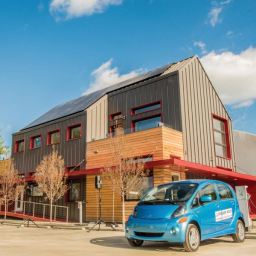
In response to the significant uptake in green buildings and sustainability, the SAIT Green Building Technologies team developed a video series. This specialized and industry-relevant curriculum focuses on the increasing knowledge needs within Alberta in relation to high-performance and green residential buildings. Focus group sessions, surveys, and feedback from real estate professionals informed the curriculum development.
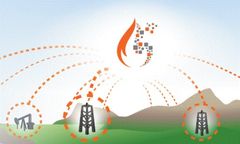
Oil and gas wells have been drilled across Alberta for decades. While the Alberta Energy Regulator keeps track of all the wells and what company is drilling for what, the where question hasn’t been easy for an ordinary Albertan, or someone thinking of buying a property, to inquire about any wells that may be nearby. Until now.

For Immediate Release, Calgary – A 2018 survey reported that 68 per cent of Albertans believe the provincial economy would benefit by transitioning to lower carbon energy sources. The Property Assessed Clean Energy program (PACE) has worked in several jurisdictions in the U.S. as well as Canada and with newly enacted legislation, Alberta is poised to implement its own PACE program.
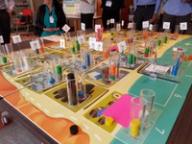
The Newtonian Shift drops you into the outdated, inefficient, polluting Newtonia. You may find yourself working for a utility, or a bank. Or maybe you are a First Nations leader, oil and gas producer, or the director of an environmental non-profit. As the population grows and the impacts of climate change become impossible to ignore, the leadership and citizens of Newtonia call on actors across the system, including you, to work together to transform your country’s energy system into one that is sustainable and able to meet the needs of the future. It’s up to you to make it work while dealing with outages, supply disruptions, and shifting political winds. If this sounds familiar, you’ve been paying attention.
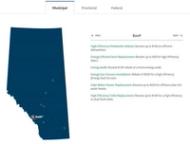
Have you ever wondered how much money you can get from the Government for upgrading your home to be more energy efficient? The Alberta Real Estate Association (AREA) has partnered with the Pembina Institute to create an interactive map that outlines what Government rebates are available for homeowners improving energy efficiency in their homes.

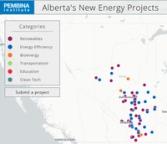
Alberta’s New Energy Projects Map is an interactive online tool created by the Pembina Institute that showcases the variety of clean energy projects that contribute to the growth of Alberta’s economy by creating jobs and investment opportunities. It highlights the multitude of new energy projects operating or under construction in Alberta from 2012 on. The map is a living library and its scope will expand as Albertans submit their own projects and continue to pursue new energy opportunities.
The Alberta Narratives Project Report I and Report II are intended to provide practical guidance for climate and energy communicators about what language works well and – crucially – what language might pose an obstacle for communicating with any specific group.

