Land Management
Land management involves the systematic and sustainable administration of land resources to optimize their use, conservation, and productivity while considering environmental, social, and economic factors.
Land Management
Land management involves the systematic and sustainable administration of land resources to optimize their use, conservation, and productivity while considering environmental, social, and economic factors.
There are millions of hectares of privately owned forested areas in Alberta. This project is creating a variety of marketing materials, including postcards and fact sheets, that are designed to increase awareness among rural landowners about the services provided by Agroforestry & Woodlot Extension Society—AWES—and help them make “the most of their forest.”
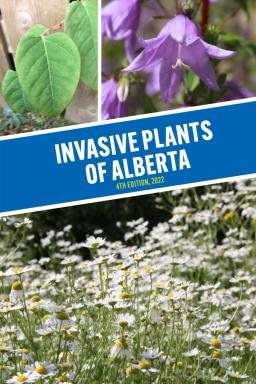
The Alberta Invasive Species Council updated their Invasive Plants of Alberta Guide. The new version of this guide includes provincial distribution maps, information on prevention initiatives, and indicates the species that are problematic in specific habitats. There are several invasive plant species that are particularly problematic in urban areas that homeowners and REALTORS® should be aware of. These can be a liability as landowners are responsible for controlling or eradicating prohibited noxious or noxious invasive plant species that persist on their property as per the Weed Control Act.
Rural properties benefit from woodlots and shelterbelts (eco-buffers) by reducing possible forest fire risks, reducing soil erosion and wind impacts on buildings, and enhances overall aesthetics. Proper woodlot management ensures the health of forested lands and increases the value of the land.
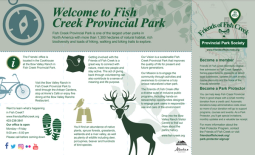
Fish Creek Provincial Park is one of the largest urban parks in North America with more than 1,300 hectares of natural habitat, rich biodiversity, and loads of hiking, walking, and biking trails to explore.
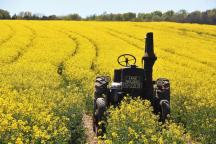
By the Environmental Law Centre
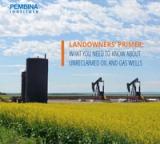
Pembina Institute’s latest primer on oil and gas liabilities in Alberta
It is hard to imagine Rural Routes to Climate Solutions (RRCS) without the podcast. With the podcast, we’ve taken conversations that would normally take place between agricultural producers over coffee and given them some structure, permanence, and a wider audience. Discussing land management and environmental stewardship issues is not new to agriculture, but how often are those conversations captured, especially in Alberta? How often can a producer revisit that conversation again and again? That is the beauty of the podcast: with its conversational tone and ‘talking from the front porch’ vibe, it acts as a storage house for those conversations on land management and stewardship. Unlike the coffee shop conversation though, the podcast is a resource that can be revisited at any time and shared with producers anywhere in the province (from the feedback we’ve received from listeners, our reach goes as far as the Maritimes).

The Septic Sense program continues in Alberta! Read on to learn how this program is helping to protect the environment by raising awareness with rural landowners about the proper management and maintenance of private septic systems.
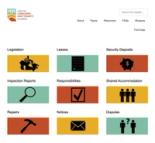
The Laws for Landlords and Tenants website (www.landlordandtenant.org) provides plain language information on residential tenancies law for landlords, tenants and service providers in Alberta. With up-to-date information and over 50 free publications and resources, the website attracts over 631,000 visits per year, reaching 1 in 6 Albertans!

Statistics Canada reports that only 8 per cent of farmers across the country have a succession plan. Meanwhile they’re getting closer to retirement. The average age of producers in Alberta is 57 and fewer of their children want to take over the family farm.