Land Stewardship
Land stewardship involves responsibly managing and conserving natural resources, ecosystems, and landscapes to sustain their ecological health and diversity for current and future generations.
Land Stewardship
Land stewardship involves responsibly managing and conserving natural resources, ecosystems, and landscapes to sustain their ecological health and diversity for current and future generations.
Proposes research-informed guidance for private land conservation practitioners and industry professionals where conservation easements on private land have sub-surface rights that may impact the conservation values of the property.

The South East Alberta Watershed Alliance (SEAWA) brings together diverse partners to educate the public, to support knowledge development, and to develop and facilitate the implementation of management plans for the sustainable use of the South Saskatchewan River Sub-Basin and the Pakowki Lake watershed.
Enables the collection of data, interviews, stories, and best practices on sustainable land use in parklands throughout Alberta to deliver the Alberta portion of the 2023 report.
Amplifies existing water conservation education for homeowners with in-depth learning sessions to make sustainable changes at home.
Sponsors the Land Awards, recognizing projects and initiatives that demonstrate excellence in sustainable land use.
Provides direct education and professional support to Summer Villages on proper management of trees and forests in a rural community setting increasing natural resilience and property values.
As of 2020, long-term radon gas inhalation in Alberta is responsible for one new case of lung cancer every 23 hours. Exposure to radon, which is radioactive and DNA-damaging, is overwhelmingly something that happens within the residential built environment. Unfortunately, lung cancer remains incurable, with nine of every ten people losing their lives to it within only two years of diagnosis. 1 in 5 people diagnosed with lung cancer in Alberta have never smoked, and the frequency of non-smoker lung cancer is increasing. Exposure to radon (and the extraordinary burden of disease associated with it) is entirely driven by our built environment and is preventable. Actual prevention requires concerted action in terms of knowledge generation, knowledge implementation, and, effective education and communication across sectors.
Managing tradeoffs in a context of climate change – This project will survey the attitudes of Alberta residents, leaders, and planners towards open space, farmland conversation, and economic development features in urban and peri-urban areas, providing qualitative research to realtors, municipal leaders, planners, and the public to inform decision-making.
This project will directly impact real estate practices by educating Albertan landowners of all sizes on the management of the forested portion of their lands. This includes supporting municipalities, hamlets, and summer villages in understanding opportunities for improved management of rural forested lands.
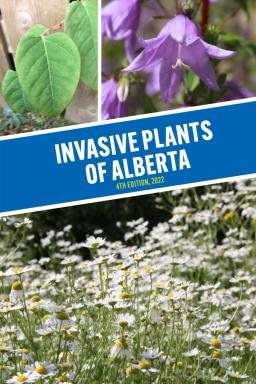
The Alberta Invasive Species Council updated their Invasive Plants of Alberta Guide. The new version of this guide includes provincial distribution maps, information on prevention initiatives, and indicates the species that are problematic in specific habitats. There are several invasive plant species that are particularly problematic in urban areas that homeowners and REALTORS® should be aware of. These can be a liability as landowners are responsible for controlling or eradicating prohibited noxious or noxious invasive plant species that persist on their property as per the Weed Control Act.

Lakes and water bodies are a limited resource in Alberta and the demand for lake properties is high. The impact of significant development around water bodies combined with a changing climate is negatively affecting the physical, chemical, and biological characteristics of Alberta lakes. These factors also have an impact on real estate sales and property values.
