Energy Efficiency
Energy efficiency refers to the practice of utilizing energy resources in a way that minimizes waste and maximizes output, ultimately reducing energy consumption and environmental impact.
Energy Efficiency
Energy efficiency refers to the practice of utilizing energy resources in a way that minimizes waste and maximizes output, ultimately reducing energy consumption and environmental impact.
Alberta is projected to add 1.8 million residents by 2040. Over the same time period, climate change may lead to a reduction in available water resources. In this context, an understanding of the converging demands for water from communities, as well as the energy and food production sectors is critical. Ultimately, this project will engage stakeholders to encourage consideration of the water-food-energy nexus and support more holistic water management decision making.
The Green Home Energy Toolkit provides tools, tests and information to help you understand your household energy use and help you identify some ways to save energy and money.

The Alberta Real Estate Foundation has recently partnered with The Northern Alberta Institute of Technology, The City of Edmonton and The City of Grande Prairie to advance the understanding of solar electric systems in Alberta. Through a $38,000 contribution the AREF made possible construction of a solar photovoltaic test bed atop Grande Prairie city hall. This test bed will operate in tandem with a City of Edmonton sponsored system installed at NAIT’s main campus.
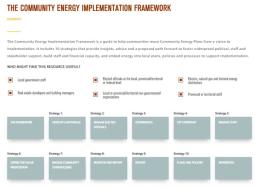
Communities – the places where we live, work and play – account for 60% of energy use in Canada, as well as over half of all greenhouse gas emissions (GHGs). In other words, when we invest, plan and implement effectively for Smart Energy Communities, we can have a direct impact on addressing Canada’s energy and GHG challenges. A Community Energy Plan is a tool that helps communities define priorities around energy with a view to improving efficiency, cutting emissions and driving economic development.
Condominiums present a unique challenge when it comes to becoming more energy efficient. That’s why the Green Condo Guide was developed. It lays out ways condo boards or condo managers can make their buildings more energy efficient and save residents money. It also includes case studies of condos that have done upgrades and saved substantially.
The Alberta Real Estate Foundation is currently supporting an energy efficiency pilot project for commercial buildings and industrial facilities. The project, EE Check, provides assistance to facilities to undertake an energy efficiency audit, develop a business case for upgrades and implement selected upgrades.

This paper grew from a demonstration project to prove the business case for energy efficiency upgrades to affordable housing properties in Calgary.
Are you a REALTOR® that has clients new to Canmore? Help them feel more at home: Give them a Sustainable Action Canmore booklet. Hard copies available from the Biosphere Institute.
The Pathways 2 Sustainability Conference explored community resilience and sustainability as it relates to Food, Fuel, and Finance.

Report on the results of testing on three green roofs established in Edmonton. The performance of plant species moderately affected by the depth of growth medium in which they were growing. All of the native plant species tested survived the environmental conditions experienced in a roof environment.
This study assessed the feasibility of incorporating a “green” building rating system into the MLS® System for resale homes in Alberta.
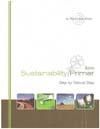
These latest publications offer creative methods to help municipalities, businesses and organizations find the balance between planning futures and protecting the environment. The Sustainability Primer offers strategies to difficult planning challenges, while Planning for Sustainability: A Planners Guide details the framework to develop strategic and sustainable goals.